
Did you know that the average person carries around 2.5 pounds of daily essentials every single day? That includes a phone, wallet, keys, snacks, and more. If you are stuffing all of that into the wrong bag, your shoulders, back, and mood will all suffer for it.
A good personal item bag is one of the most useful things you can own. It goes with you everywhere. It holds your essentials without feeling like a burden. Whether you are heading to work, catching a flight, or just running errands around town, the right bag makes a real difference in your day.
This guide covers everything you need to know about the best personal item bags for everyday use. You will learn what to look for, which styles work best, and which bags are worth your money. No fluff. Just helpful, honest advice.
What Exactly Is a Personal Item Bag?
A personal item bag is a small bag that fits under an airplane seat or comfortably in front of you. Most airlines allow passengers to bring one carry on bag and one personal item. The personal item is the smaller of the two.
But personal item bags are not just for flying. Many people use them every single day for work, school, shopping, and more. They are compact enough to stay out of your way but big enough to carry what matters most. Think of it as the bag that goes wherever you go.
The size limit for personal items on most airlines is around 18 x 14 x 8 inches. That is a helpful size to keep in mind even when you are not flying, because it means the bag is small enough to be practical but large enough to be useful.
Why the Right Personal Item Bag Matters for Everyday Life
Most people do not give their bag much thought until it becomes a problem. The zipper breaks. The strap digs into their shoulder. There is no good place to put their water bottle. These are small annoyances that add up fast.
A well chosen personal item bag solves all of these problems before they start. It keeps your things organized so you are not digging around every time you need something. fits your body comfortably, even after hours of use. It also looks good enough that you feel confident wearing it anywhere.
The right bag is also a smart investment. A quality bag that lasts five years is far better than a cheap bag you replace every year. When you pick the right one, you stop spending money on replacements and stop dealing with the frustration of bags that fall apart.
The Most Popular Styles of Personal Item Bags
There are several styles of personal item bags, and each one works better in different situations. Knowing the difference helps you pick the one that fits your life.
Backpack Style
A personal item backpack is one of the most popular choices for everyday use. It sits on both shoulders, so the weight is spread evenly. This makes it comfortable for long days out. Many personal item backpacks have multiple compartments, which helps you stay organized. Good options include the Osprey Daylite and the Aer Day Pack.
Crossbody Bag
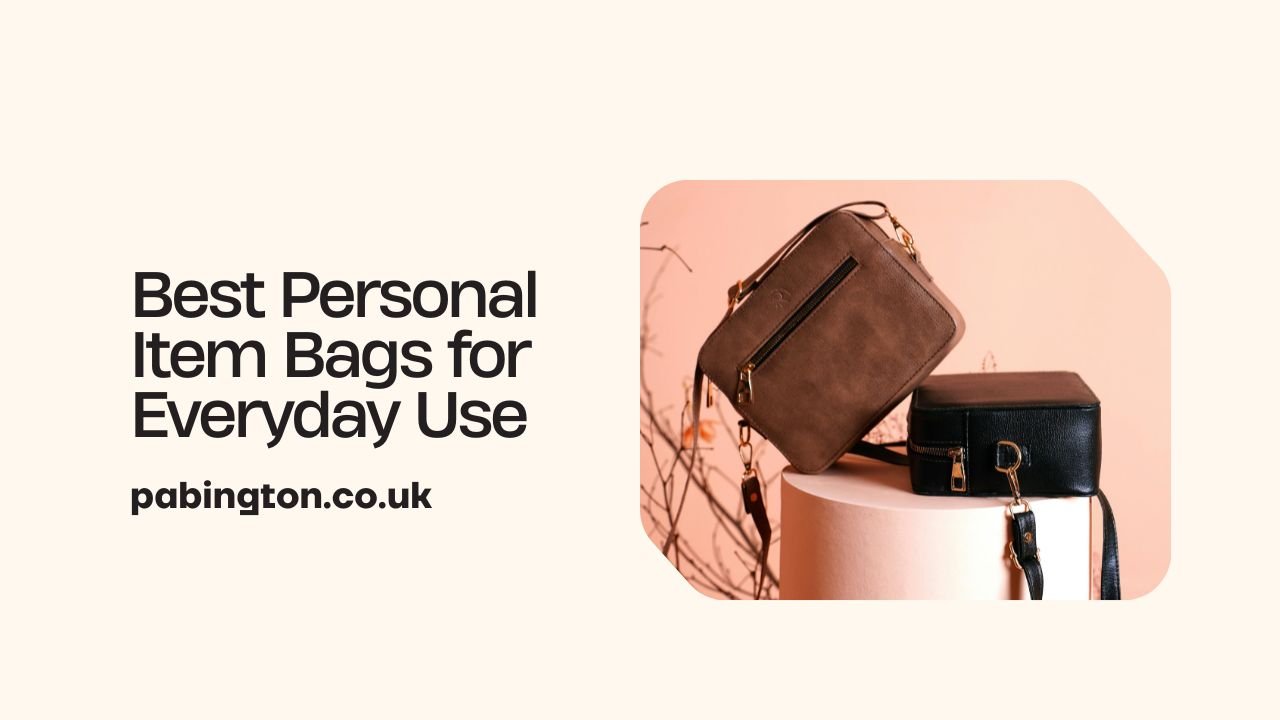
A crossbody bag hangs across your body from one shoulder. It is easy to access without taking it off. This style works well for people who want quick access to their phone, wallet, and keys. It is also a great option for city travel, since it keeps your hands free. The Travelon Anti Theft Crossbody is a popular choice in this category.
Tote Bag
A tote is a simple, open top bag that you carry on your arm or shoulder. It is great for errands and casual days. Totes are easy to pack and unpack quickly. The downside is that they usually do not have much structure, so things can get messy inside. Adding a small pouch inside helps keep things neat.
Sling Bag
A sling bag is worn across the chest or back with a single strap. It is a compact and sporty option. Slings are good for people who want something smaller than a backpack but more secure than a crossbody. The Patagonia Atom Sling and the Nike Sportswear RPM Sling are popular picks.
Belt Bag or Fanny Pack
Belt bags are worn around the waist or across the chest. They are extremely compact and great for active days. They keep your hands completely free. If you are hiking, biking, or going to a crowded event, a belt bag is a smart choice. Many brands now make stylish versions that work in everyday settings too.
Key Features to Look for in a Personal Item Bag
Not all bags are made the same. Some have features that make your life much easier, while others look good but do not hold up in real use. Here are the most important things to check before you buy.
Size and Capacity
The bag needs to be big enough to carry what you need, but small enough to stay out of your way. For most people, a bag between 10 and 25 liters works well for everyday use. If you mostly carry a laptop, notebook, and a few small items, aim for 15 to 20 liters. If you just need your phone, wallet, and keys, a 5 to 10 liter bag is plenty.
Comfort and Fit
This matters more than most people realize. If the bag is uncomfortable, you will stop using it. Look for padded straps if you are going with a backpack or crossbody. Check if the bag sits well on your body type. Some bags are designed for smaller frames, and others are built for larger ones.
Organization and Pockets
A bag with smart pockets makes your life easier. Look for a bag that has a quick access pocket on the outside for your phone or transit card. An internal laptop sleeve is helpful if you carry one. Small interior pockets are great for chargers, lip balm, and other small items.
Material and Durability
The material of the bag determines how long it will last. Nylon and polyester are lightweight and water resistant. Canvas is sturdy but heavier. Leather looks great and gets better with age but needs more care. For everyday use, a high quality nylon or ballistic nylon bag is usually the best choice because it is tough and easy to clean.
Water Resistance
Your bag should be able to handle a light rain without soaking everything inside. Many bags now come with a water resistant coating or are made from materials that repel water. This is especially important if you carry electronics or documents.
Security Features
If you travel or spend time in crowded areas, look for bags with lockable zippers, hidden pockets, or RFID blocking pouches. These features protect your belongings and give you peace of mind. The Travelon brand is well known for bags with built in anti theft features.
Best Personal Item Bags for Everyday Use: Top Picks
Here is a breakdown of some of the best personal item bags you can buy right now. These picks cover different styles, budgets, and use cases.
1. Osprey Daylite (21L) — Best Overall Backpack
The Osprey Daylite is a fan favorite for a reason. It is lightweight, well organized, and very comfortable to wear.Has a main compartment, a front pocket, and a mesh back panel that keeps air flowing so your back does not get sweaty. Fits under most airplane seats and works great as a daily carry bag. It comes in many colors and costs around $65.
2. Aer Day Pack 3 — Best for Professionals
If you want something that looks polished and functions well, the Aer Day Pack 3 is an excellent choice. It has a dedicated laptop sleeve, a water bottle pocket, and a clamshell opening that makes packing easy. Is made from durable nylon and has a clean, minimal look that works in an office setting. It costs around $185, which is an investment, but the quality is worth it.
3. Travelon Anti Theft Classic Crossbody — Best for Safety
This crossbody bag is built for people who want security without sacrificing style. It has slash resistant straps and body panels, a locking main compartment, and an RFID blocking card slot.This is not the largest bag, but it holds the essentials securely. It costs around $80 and comes in several colors.
4. Patagonia Atom Sling 8L — Best Sling Bag
The Patagonia Atom Sling is compact, stylish, and made from recycled materials. It has a zippered main compartment, a fleece lined pocket for sunglasses or a phone, and a mesh water bottle pocket on the side.And sits comfortably on most body types and is easy to move around to the front for quick access. It costs around $49.
5. Baggallini Central Park Backpack — Best for Women
This backpack is designed specifically for women and offers a great combination of style and function. It has a zip top closure, multiple interior pockets, a key fob, and a tablet sleeve. The straps are padded and adjustable. It is available in many colors and patterns. It costs around $90.
6. Lululemon Everywhere Belt Bag — Best Belt Bag
The Lululemon Everywhere Belt Bag has become one of the most popular everyday bags in recent years. It holds more than you would expect, with a main compartment and a small front pocket. Is made from a stretchy, water resistant fabric. Can be worn around the waist or across the chest. It costs around $38 and comes in a huge range of colors.
7. Longchamp Le Pliage — Best Tote Bag
The Longchamp Le Pliage is a classic tote that folds flat when not in use. It is lightweight, water resistant, and has a zip top to keep things secure.Is a great choice for shopping trips, beach days, and casual everyday use. It costs around $150 for the standard size.
8. Nomatic Navigator Lite 15L — Best for Tech Users
This bag is built for people who carry a lot of tech gear. It has a magnetic top handle for quick access, multiple organizational pockets, and a side water bottle pocket. The build quality is excellent and it looks great in both casual and work settings. It costs around $129.
How to Choose the Right Personal Item Bag for Your Lifestyle
Picking the right bag comes down to how you actually spend your days. A bag that is perfect for a remote worker might not work at all for a student or a frequent traveler.
If you work from home and go to coffee shops or coworking spaces, look for a bag with a laptop sleeve and good organization. You want easy access to your computer and a few spots for cables and notebooks. The Aer Day Pack or the Nomatic Navigator Lite would both serve you well.
If you are a student, you need something that fits your books, a laptop, and your daily essentials. A medium sized backpack with multiple compartments is usually the best bet. Look for something comfortable since you will be wearing it for long stretches. The Osprey Daylite is a solid pick at a very fair price.
For frequent travelers, the priority is fitting airline requirements while still holding your most important items. A bag that fits under the seat in front of you and has a water bottle pocket, a quick access pocket, and good organization is ideal. The Aer Day Pack or the Nomatic Navigator are both under seat friendly and travel ready.
If you are an active person who hikes, bikes, or spends time outdoors, a sling bag or belt bag is probably your best match. These bags stay close to your body and do not bounce around when you move. The Patagonia Atom Sling or the Lululemon Belt Bag are great choices for active lifestyles.
How to Pack Your Personal Item Bag the Smart Way
Having a great bag only matters if you pack it well. A disorganized bag slows you down and adds stress to your day.
Start by deciding what you actually need to carry every day. Most people overpack and end up with a bag full of things they never use. Keep your core essentials, which are your phone, wallet, keys, charger, and any work or school items, and leave the rest at home. A lighter bag is a happier bag.
Use the pockets on purpose. Put your most used items in the easiest to reach spots. Your phone should go in the quick access pocket. Charger and cables can go in an interior pocket. Your laptop or notebook should go in the dedicated sleeve.
Keep a small pouch inside your bag for tiny items like lip balm, headphones, and medicine. This keeps the main compartment clean and makes it easy to find small things without digging around. A clear zipper pouch works especially well for this.
Common Mistakes People Make When Buying a Personal Item Bag
A lot of people buy a bag based on how it looks in a photo and end up disappointed when they use it in real life. Here are the most common mistakes to avoid.
Buying too big is one of the most common errors. A bag that is too large gets heavy fast and becomes awkward to carry. Stick to the size range that matches your actual daily carry load.
Ignoring the straps is another mistake. Straps that are too thin or not padded will hurt your shoulders after a few hours. Always check the strap design before buying, especially for backpacks and crossbody bags.
Skipping water resistance is a choice many people regret the first time they get caught in the rain. Even a light water resistant coating can save your laptop, phone, or documents from water damage.
Focusing only on price is also a trap. The cheapest bags often fall apart within months. Spending a little more on a quality bag almost always pays off in the long run. Aim for a bag in the $50 to $150 range for the best balance of price and quality.
A Quick Comparison of Personal Item Bag Styles
| Style | Best For | Capacity | Avg. Price |
|---|---|---|---|
| Backpack | Work, school, travel | 15 to 25L | $50 to $200 |
| Crossbody | City use, daily errands | 5 to 15L | $40 to $150 |
| Sling | Active use, light travel | 5 to 15L | $30 to $100 |
| Belt Bag | Active days, events | 1 to 5L | $20 to $80 |
| Tote | Casual use, shopping | 10 to 20L | $30 to $200 |
How to Care for Your Personal Item Bag
A good bag can last for many years if you take care of it. Most nylon and polyester bags can be spot cleaned with a damp cloth and mild soap. For a deeper clean, hand washing is usually the safest method. Avoid putting bags in the washing machine unless the manufacturer says it is safe.
For leather bags, use a leather conditioner every few months to keep the material soft and prevent cracking. Keep leather bags away from direct sunlight for long periods since it can fade and dry out the material.
Store your bag in a cool, dry place when you are not using it. Stuffing a bag with tissue paper when storing it helps it keep its shape. Avoid hanging bags by their straps for long periods since this can stretch and weaken them over time.
What to Expect to Spend on a Quality Personal Item Bag
You do not need to spend a fortune to get a great bag. There are excellent options at every price point.
In the under $50 range, you can find solid bags from brands like Patagonia, JanSport, and Lululemon. These bags are durable, functional, and look good for casual everyday use.
In the $50 to $100 range, you get access to more features and better materials. Brands like Osprey, Travelon, and Baggallini offer well built bags with great organization and comfort at this price.
In the $100 to $200 range, you are getting into premium territory. Bags from Aer, Nomatic, and Longchamp at this price point offer excellent build quality, smart design, and features that justify the higher cost. If you use your bag daily, spending a bit more here is a smart move.
Beyond $200, you are usually paying for designer branding or high end materials like full grain leather. These bags can last a lifetime with proper care, but for most everyday users, the $50 to $150 range offers the best value.
Final Thoughts: Find Your Perfect Everyday Bag
The best personal item bag for everyday use is the one that fits your life, not someone else’s. It should feel comfortable on your body, hold what you actually need, and hold up to daily use without falling apart.
There is no single perfect bag for everyone. A student, a remote worker, a frequent traveler, and a parent all have different needs. The good news is that there are excellent options for every lifestyle and every budget.
Start by thinking about what you carry every day and how you move through your day. Then use the styles and picks in this guide to narrow down your choices. Read real reviews from real users before you buy. Try the bag in person if you can, so you can feel how it sits on your body and check out the pockets yourself.
When you find the right bag, you will know it. It will feel natural to grab on your way out the door. It will keep your things organized without making you work for it. Most importantly, it will make your everyday life just a little bit easier.
