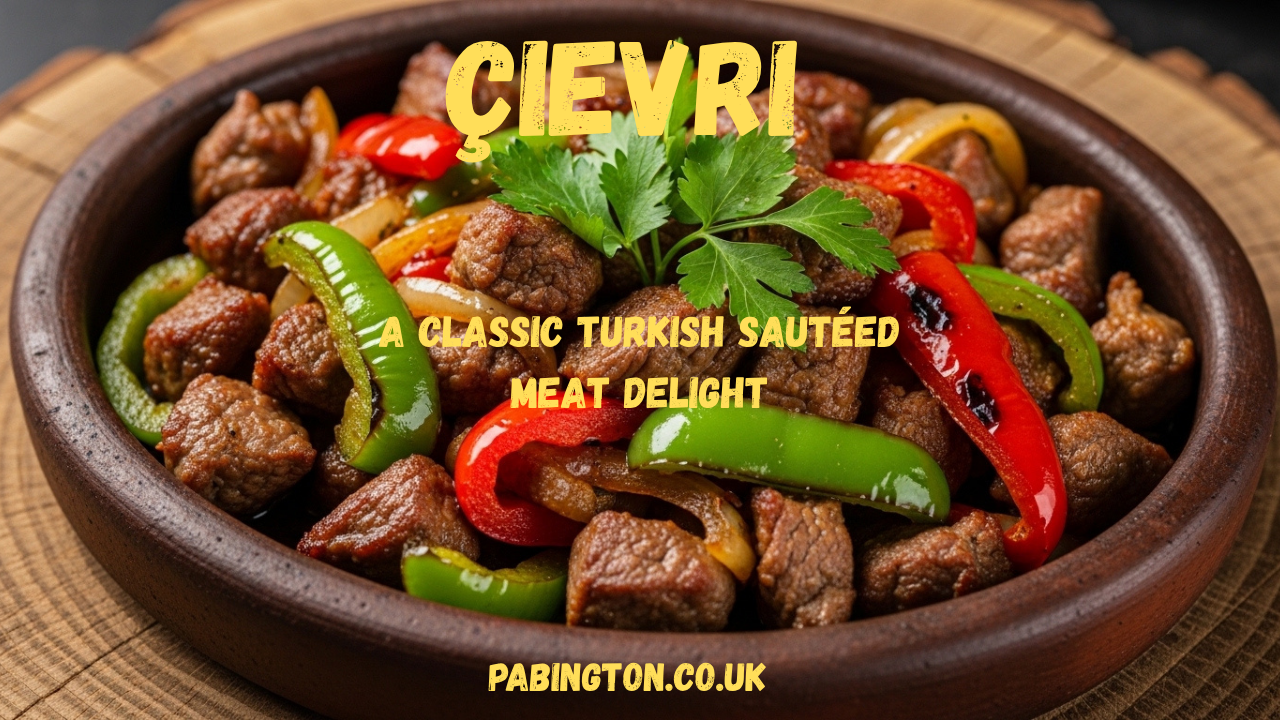
Çievri is more than just a dish; it’s an experience that captures the heart of Turkish cuisine. This classic sautéed meat delight brings together rich flavors, tender textures, and aromatic spices in a way that feels both comforting and indulgent. Imagine savoring perfectly cooked morsels of meat, enhanced by fresh vegetables and fragrant herbs—a true celebration for your taste buds. Whether you’re exploring Turkish culture or simply seeking new culinary adventures, çievri stands out as a must-try dish that embodies tradition while inviting modern interpretations. Dive into this blog post to discover everything about çievri—from its fascinating origins to how you can recreate it at home!
History and Origin of the Dish
Çievri has deep roots in Turkish culinary tradition, with origins tracing back to the nomadic lifestyles of Central Asia. As pastoralists roamed vast landscapes, they began to experiment with available meats and spices.
This dish emerged as a way to utilize fresh ingredients over an open flame, showcasing the flavors of tender meat sautéed with aromatic vegetables. The name itself is derived from the Persian word “çevirmek,” meaning “to turn,” reflecting its cooking method.
Historically, çievri was not only a meal but also a communal experience. Families would gather around large platters, sharing stories while savoring each bite. This practice highlights the importance of community within Turkish culture.
As time progressed, regional variations developed across Turkey’s diverse landscapes. Each area brought unique influences that transformed çievri into what we know today—rich in flavor and heritage, emblematic of Turkey’s vibrant food history.
Traditional Ingredients and Cooking Methods
Çievri is a dish that beautifully showcases the essence of Turkish cuisine. The main ingredient is typically cubed lamb or beef, known for its rich flavor and tender texture. This meat is often marinated with spices to enhance its taste.
The cooking method involves sautéing the meat in a hot pan with minimal oil, allowing it to sear and lock in those delicious juices. Onions add sweetness and depth when they caramelize alongside the meat. Some recipes may include bell peppers or tomatoes, bringing additional layers of flavor.
Herbs like parsley are often used as a garnish, providing freshness that balances the savory elements of the dish. It’s common to serve çievri with flatbread or rice, making every bite satisfying and complete. Each region may have slight variations but always retains this core approach that highlights simplicity and quality ingredients.
Variations of Çievri in Different Regions of Turkey
Çievri offers a delightful glimpse into Turkey’s rich culinary landscape, with each region adding its own twist to the dish.
In southeastern Turkey, particularly in Gaziantep, you’ll find çievri prepared with spicy red pepper and local spices that ignite the palate. This version often includes a mix of ground meat and hand-chopped vegetables for added texture.
Heading west to Izmir, chefs might incorporate olive oil and fresh herbs like oregano or thyme. The result is a lighter take on the classic recipe that’s perfect for warm coastal evenings.
In central Anatolia, çievri adopts heartier flavors with ingredients like chickpeas or lentils mixed in. This variation reflects the region’s agricultural bounty while enhancing nutritional value.
Each locale celebrates its cultural heritage through unique cooking techniques and regional tastes, making every plate of çievri a delicious journey across Turkey’s diverse regions.
How to Make Çievri at Home: Step-by-Step Recipe Guide
Making çievri at home is easier than you might think. Start by gathering your ingredients: tender cuts of lamb or beef, onions, bell peppers, tomatoes, and spices like salt and black pepper.
Begin by cubing the meat into bite-sized pieces. Heat a generous drizzle of olive oil in a large skillet over medium heat. Add the meat and sear until browned on all sides. This step locks in flavor.
Next, toss in chopped onions and sauté until translucent. Follow with diced bell peppers for added sweetness. Stir occasionally to ensure an even cook.
After about five minutes, add ripe tomatoes along with your chosen spices. Let everything simmer together for 15-20 minutes until the flavors meld beautifully.
Serve hot with fresh bread or rice to soak up every delicious bite of this classic Turkish delight!
Health Benefits of Çievri
Çievri is not just a flavorful dish; it also boasts several health benefits. The primary ingredient, usually tender cuts of meat, provides high-quality protein essential for muscle repair and growth.
The spices used in çievri can offer anti-inflammatory properties. Ingredients like black pepper and paprika are known to boost metabolism and enhance digestion.
Moreover, when prepared with vegetables such as peppers or tomatoes, çievri becomes a source of vital vitamins and minerals. These add fiber to the meal, promoting gut health.
If you’re looking for an energy boost, the wholesome ingredients in çievri provide sustained energy without causing spikes in blood sugar levels.
Sharing a homemade plate of çievri with friends or family can elevate your mood while creating lasting memories around the dining table. Enjoying this dish might be beneficial not only physically but emotionally too.
Serving Suggestions and Pairings
Çievri is a versatile dish that can be paired with various sides to enhance your dining experience. One popular accompaniment is rice pilaf, which soaks up the rich juices and flavors of the sautéed meat.
Freshly baked flatbreads or lavash also make an excellent pairing, allowing you to scoop up every delicious morsel. For those seeking a refreshing contrast, a simple salad of tomatoes, cucumbers, and onions adds brightness.
A dollop of yogurt on top brings creaminess that balances the savory notes beautifully. Don’t forget about beverages! A glass of ayran complements çievri perfectly or try it with local Turkish wines for added sophistication.
For an authentic feel, serve on wooden platters surrounded by colorful side dishes like roasted vegetables or spicy peppers. This not only showcases the dish but enhances its appeal in any gathering or meal setting.
Where to Find Authentic Çievri in Turkey
Finding authentic çievri in Turkey is a delightful journey. The dish shines brightest in its homeland, where local chefs perfect their recipes over generations.
In Istanbul, delve into bustling neighborhoods like Kadıköy and Beşiktaş. Here, you’ll discover small eateries serving this savory delight with pride.
Traveling to Gaziantep? Don’t miss the traditional restaurants that specialize in regional cuisine. Their take on çievri often includes unique spices and cooking techniques native to southern Turkey.
Ankara also boasts hidden gems worth exploring. Look for family-run places where homemade touches elevate each bite.
Consider joining a food tour for an immersive experience. Local guides can lead you to lesser-known spots beloved by residents.
Each region offers its own twist on this classic dish—ensuring every bite of çievri tells a story steeped in culture and tradition.
Why You Should Try This Classic Turkish Dish
Çievri is more than just a meal; it’s an experience that embodies the rich culinary heritage of Turkey. This sautéed meat dish offers a unique blend of flavors and textures that can tantalize any palate. The combination of tender meat, fresh vegetables, and aromatic spices creates a symphony of tastes that reflect the diverse regions from which it hails.
Trying çievri allows you to connect with Turkish culture in a delicious way. Whether enjoyed at home or in a bustling restaurant, this dish tells stories of tradition and community. It’s perfect for gatherings or cozy dinners alike.
Don’t miss out on the opportunity to savor such an iconic dish when visiting Turkey or even recreating it in your kitchen. Çievri promises not only nourishment but also joy through its vibrant flavors and cultural significance. Dive into this classic delight—you won’t regret it!