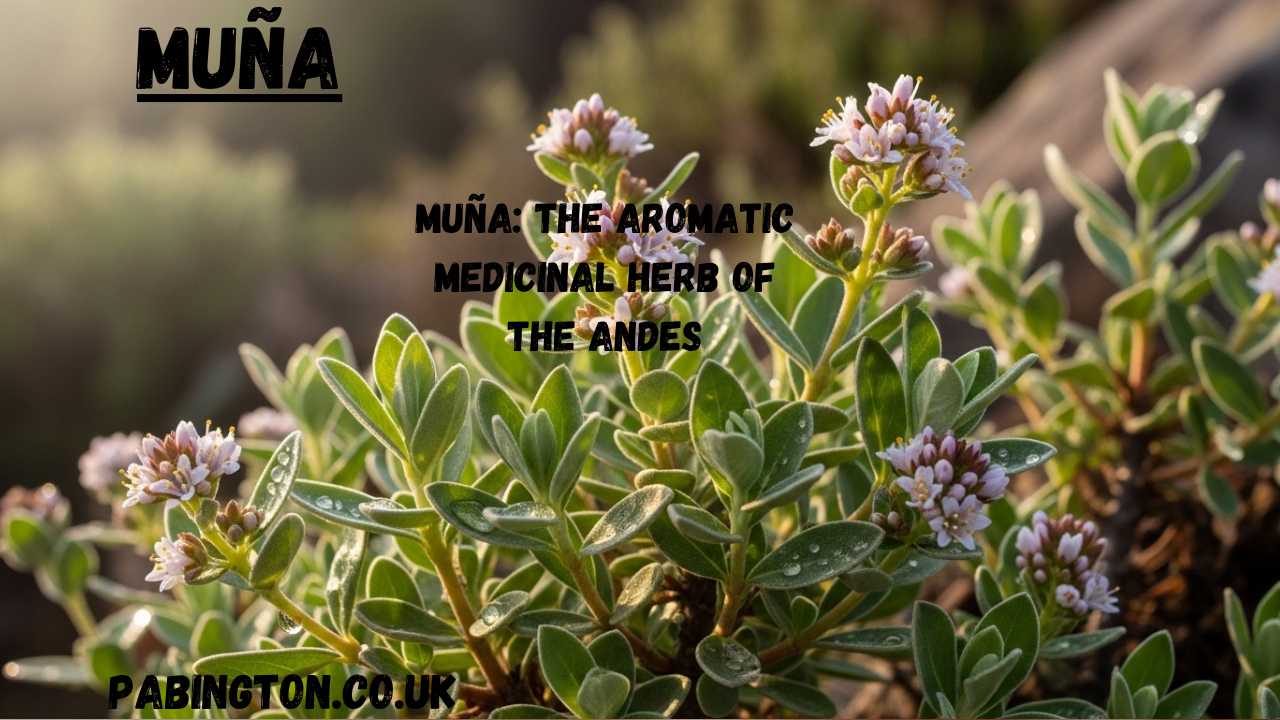
Nestled high in the Andes Mountains, muña is more than just a simple herb; it’s a treasure of nature imbued with rich cultural significance. Known for its aromatic properties and vibrant green leaves, this ancient plant has been cherished by indigenous communities for generations. From its soothing scent to its impressive medicinal benefits, muña offers a unique glimpse into traditional practices that connect people to their heritage and the land.
As we explore the fascinating world of muña, you’ll discover how this remarkable herb has woven itself into both culinary delights and healing rituals. Its journey from mountain slopes to your kitchen and medicine cabinet reveals not only nutritional advantages but also sustainable harvesting methods that respect nature’s balance. Join us as we delve deep into everything you need to know about muña—an aromatic gem waiting to be embraced in today’s wellness landscape.
The History and Origin of Muña
Muña, a member of the mint family, has deep roots in Andean culture. Indigenous to regions like Peru and Bolivia, this aromatic herb has been cherished for centuries.
Historically, it was used by ancient civilizations such as the Incas. They recognized its potential not just for flavor but also for healing properties.
The plant thrives at high altitudes where few others can survive. This resilience reflects the spirit of the Andes themselves.
Traditionally, muña was often brewed into teas or used in rituals aimed at promoting health and well-being. Its fragrant leaves carry stories passed down through generations.
As globalization increases awareness around herbal remedies, muña is slowly gaining recognition beyond its native lands while still holding significant cultural importance within indigenous communities.
Nutritional and Medicinal Benefits of Muña
Muña, a fragrant herb from the Andes, boasts an impressive array of nutritional benefits. Rich in vitamins A and C, it supports immune function and skin health. Its essential oils contain compounds that help with digestion and provide anti-inflammatory properties.
This remarkable herb is also valued for its medicinal qualities. Traditionally used to alleviate respiratory issues, muña acts as a natural expectorant. People often brew it into teas to soothe coughs or ease congestion.
Additionally, studies suggest that muña may aid in reducing stress levels due to its calming effects on the nervous system. The herb’s unique scent not only enhances culinary experiences but also contributes to overall well-being by promoting relaxation.
Incorporating muña into your diet can offer both flavor and health advantages, making it a worthy addition to any kitchen or herbal remedy collection.
How is Muña Used in Traditional Medicine?
Muña has been a staple in traditional Andean medicine for centuries. Indigenous communities have harnessed its properties to treat various ailments. The leaves, rich in essential oils, are often brewed into teas that help with digestive issues and respiratory problems.
Herbalists prepare tinctures from the plant to alleviate headaches and reduce fever. Its anti-inflammatory qualities make muña an ideal remedy for muscle pains and joint discomfort.
Beyond physical ailments, muña is also valued for its calming effects on the mind. It’s commonly used as a natural stress reliever, promoting relaxation after long days.
Many practitioners believe that incorporating muña into daily life can enhance overall well-being. As interest grows globally, this aromatic herb continues to bridge ancient wisdom with contemporary health practices.
Culinary Uses of Muña: Recipes and Dishes
Muña adds a delightful twist to various dishes, thanks to its minty flavor and aromatic profile. It’s particularly popular in Andean cuisine, where it enhances the taste of traditional meals.
You can infuse muña into soups for an earthy depth. Consider adding fresh leaves to quinoa soup or vegetable broths. Its essence elevates simple recipes into something extraordinary.
For those who enjoy baking, muña can be used in bread or muffins. A handful of chopped leaves mixed into the dough offers a refreshing surprise with every bite.
Tea lovers also adore muña as an herbal infusion. Steeped with hot water, it makes for a fragrant drink that soothes and revitalizes.
In salads, fresh muña leaves provide not just flavor but also vibrant color. Toss them in with your greens for a burst of freshness that tantalizes the palate.
Harvesting and Sustainable Practices
Harvesting muña requires care and respect for the environment. This aromatic herb thrives in the high-altitude regions of the Andes, where its unique ecosystem nurtures its growth.
Sustainable practices are vital to preserving this precious resource. Cultivators often opt for selective harvesting methods. Instead of uprooting entire plants, they trim leaves and stems, allowing muña to regenerate quickly.
Farmers also embrace organic growing techniques, avoiding harmful pesticides that can disrupt local biodiversity. By maintaining healthy soil and promoting surrounding flora, they ensure a thriving habitat for both plant and wildlife.
Additionally, community-driven initiatives encourage sharing knowledge about traditional cultivation methods. This exchange fosters a sense of stewardship among harvesters while keeping ancestral wisdom alive.
Emphasizing sustainability not only protects muña but also supports local economies reliant on this cherished herb. It’s a testament to how mindful practices can harmonize with nature’s rhythms.
Embracing the Healing Powers of Muña
Muña is more than just an aromatic herb; it embodies a rich tapestry of cultural heritage and natural healing. This remarkable plant has stood the test of time, offering both nutritional and medicinal benefits that continue to resonate with communities in the Andes and beyond.
As we explore its diverse uses—from traditional medicine to culinary delights—it’s clear that muña holds a unique place in our lives. The sustainable practices surrounding its harvesting ensure that future generations can experience its benefits as well.
By embracing muña, we tap into centuries of wisdom, allowing this potent herb to enhance our wellness routines. Whether you’re sipping a soothing tea or incorporating it into your favorite dishes, muña invites you to discover the depths of its healing powers. It serves as a reminder that nature often provides us with everything we need for health and nourishment right at our fingertips.