Nearly 1 in 5 adults in the United States lives with a mental illness. That is over 57 million people. Yet many of them never get the help they need because they do not know where to start or even what behavioral health really means.
Behavioral health is one of the most talked about topics in medicine right now. But it is also one of the most misunderstood. People often confuse it with mental health, or they think it only applies to people with serious psychiatric conditions.
That is not true. Behavioral health touches everyone. It includes the habits you keep, the emotions you feel, and the choices you make every single day. This guide will break it all down for you in plain, simple language so you can understand what it is, why it matters, and what you can do about it.
What Is Behavioral Health, Exactly?
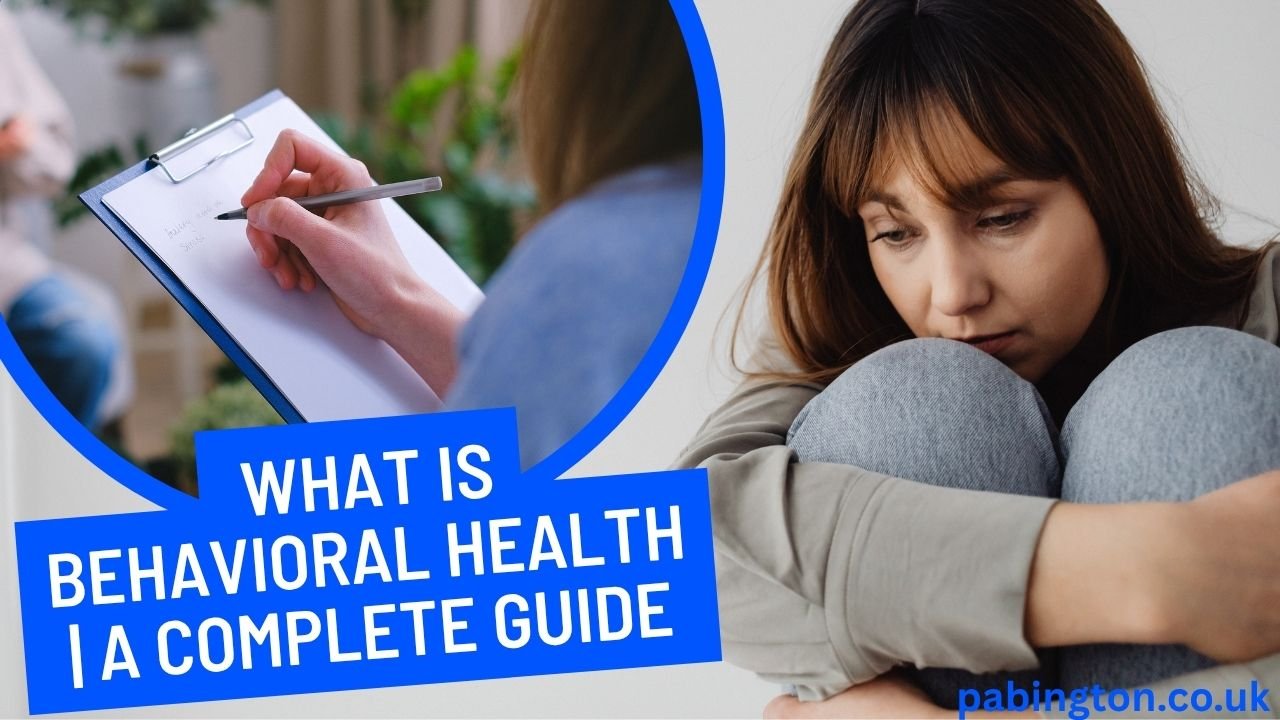
Behavioral health refers to how your behaviors affect your overall health and wellbeing. It covers things like how you eat, sleep, exercise, handle stress, and relate to other people. It also includes mental health conditions, substance use, and emotional disorders.
Think of it this way. Your brain controls how you think and feel. Those thoughts and feelings drive the actions you take. Those actions, over time, shape your physical health. That connection between your mind, your behavior, and your body is what behavioral health is all about.
The term became popular because doctors and researchers noticed that a lot of physical health problems were being made worse by behavior. Poor diet, lack of exercise, smoking, and alcohol use all have roots in behavior. Treating the behavior, not just the symptom, leads to better results.
Behavioral Health vs. Mental Health: What Is the Difference?
A lot of people use these two terms like they mean the same thing. They are related, but they are not identical. Knowing the difference helps you get the right kind of care.
Mental health is one part of behavioral health. It refers to your emotional, psychological, and social wellbeing. Conditions like depression, anxiety, bipolar disorder, and schizophrenia fall under mental health.
Behavioral health is the bigger picture. It includes mental health but also covers substance use disorders, eating behaviors, sleep habits, and other patterns that affect how your body and mind function. In short, all mental health issues are behavioral health issues, but not all behavioral health issues are strictly mental health issues.
Why Behavioral Health Matters So Much
Your behavioral health affects almost every part of your life. It shapes how well you sleep, how you do at work, how strong your relationships are, and even how long you live.
People with untreated behavioral health conditions are more likely to develop physical illnesses like heart disease, diabetes, and obesity. They are also more likely to struggle with unemployment, homelessness, and legal problems. The cost to individuals and to society is enormous.
On the positive side, taking care of your behavioral health makes a real difference. People who get proper care report better moods, better relationships, higher productivity, and a stronger sense of purpose. This is not just about feeling good. It is about functioning well in daily life.
Common Behavioral Health Conditions You Should Know About
There are many types of behavioral health conditions. Some are more common than others. Here is a look at the ones that affect the most people.
Depression is one of the most common behavioral health conditions in the world. It goes beyond feeling sad. Depression causes a persistent low mood, loss of interest in things you used to enjoy, changes in sleep and appetite, and sometimes thoughts of self-harm. It is very treatable, but many people suffer in silence.
Anxiety disorders include generalized anxiety, social anxiety, panic disorder, and phobias. These conditions cause excessive fear or worry that gets in the way of normal life. Anxiety is the most common mental health condition in the United States, affecting over 40 million adults.
Substance use disorders happen when a person loses control over their use of alcohol, drugs, or other substances. This is not about willpower. Substance use disorder is a medical condition that changes the brain and requires treatment just like any other illness.
Attention Deficit Hyperactivity Disorder (ADHD) affects both children and adults. People with ADHD have trouble focusing, staying organized, and controlling impulses. It can have a big impact on school, work, and relationships.
Post Traumatic Stress Disorder (PTSD) develops after a person experiences or witnesses a traumatic event. It causes flashbacks, nightmares, severe anxiety, and emotional numbness. Veterans, survivors of abuse, and first responders are at higher risk.
Eating disorders like anorexia, bulimia, and binge eating disorder are serious behavioral health conditions. They involve extreme behaviors around food and body image. These disorders have one of the highest death rates among all mental health conditions.
Bipolar disorder causes extreme mood swings that go from very high (mania) to very low (depression). These shifts can disrupt relationships, work, and daily life. With the right treatment, most people with bipolar disorder can live stable lives.
What Causes Behavioral Health Conditions?
There is no single cause. Behavioral health conditions usually develop from a mix of factors working together over time.
Genetics play a role. If a parent or sibling has a mental health condition, your risk of developing one is higher. This does not mean you will definitely have a condition, but it does mean you may be more vulnerable than others.
Brain chemistry is another factor. The brain uses chemicals called neurotransmitters to send signals between nerve cells. When these chemicals are out of balance, it can affect mood, thinking, and behavior. Many psychiatric medications work by correcting these imbalances.
Life experiences also matter a great deal. Childhood trauma, abuse, neglect, and prolonged stress can all increase the risk of developing a behavioral health condition. So can major life events like divorce, job loss, or the death of a loved one.
Environment plays a role too. Living in poverty, experiencing discrimination, or being exposed to violence can all damage behavioral health over time. Social isolation is also a significant risk factor, especially in older adults.
How Behavioral Health Is Diagnosed
Getting a proper diagnosis is the first step toward feeling better. But many people avoid seeking help because they worry about being labeled or judged.
A behavioral health assessment usually starts with a conversation. A doctor, therapist, or psychiatrist will ask you about your symptoms, how long you have had them, and how they affect your daily life. They may also ask about your medical history, family history, and any substances you use.
There is no blood test or scan that can diagnose most behavioral health conditions. Clinicians rely on established criteria from the Diagnostic and Statistical Manual of Mental Disorders, commonly called the DSM. This manual lists the symptoms needed to diagnose each condition.
Getting a second opinion is always okay. Diagnosis in behavioral health can take time, and it is important that you feel heard and understood by your care provider. Do not rush the process.
Types of Behavioral Health Treatment That Actually Work
Good news. Most behavioral health conditions are treatable. Many people recover fully or manage their condition so well that it barely affects their life. Here are the main types of treatment available.
Therapy is often the first step. There are many types of therapy, and the right one depends on your specific needs. Cognitive Behavioral Therapy, or CBT, is one of the most widely used and most effective. It helps you identify negative thought patterns and replace them with healthier ones. Other types include Dialectical Behavior Therapy (DBT), exposure therapy, and talk therapy.
Medication can be very helpful for many conditions. Antidepressants, mood stabilizers, anti-anxiety medications, and stimulants are all used to treat different behavioral health conditions. Medication does not fix the problem on its own, but it can reduce symptoms enough for therapy to work better.
Behavioral interventions focus on changing specific habits or patterns. These might include structured routines, habit tracking, or techniques to manage cravings and compulsions. Behavioral interventions work well alongside therapy and medication.
Support groups give people with similar experiences a safe place to share, connect, and encourage each other. Groups like Alcoholics Anonymous, NAMI support groups, and grief support circles can be powerful tools in recovery.
Inpatient and residential treatment is for people whose conditions are severe or who are in crisis. These programs provide round the clock care in a structured setting. After inpatient care, step down programs like partial hospitalization or intensive outpatient programs help people transition back to daily life.
Lifestyle changes should not be underestimated. Regular exercise, healthy sleep habits, a nutritious diet, and limiting alcohol can all have a meaningful impact on behavioral health. These changes support treatment, but they work best when used together with professional care.
Behavioral Health in Children and Teens
Behavioral health conditions often start early. Half of all mental health conditions begin by age 14. Early treatment makes a huge difference in how a child develops and functions throughout life.
Children can experience depression, anxiety, ADHD, autism spectrum disorder, and behavioral disorders like oppositional defiant disorder. These conditions can affect school performance, friendships, and family life in serious ways.
Parents should watch for warning signs like sudden changes in mood, social withdrawal, declining grades, sleep problems, or frequent physical complaints like headaches and stomachaches. These can sometimes be signs of an underlying behavioral health issue.
School counselors, pediatricians, and child therapists are all part of the behavioral health support system for young people. Early help leads to better outcomes. Do not wait and hope a child will grow out of it.
Behavioral Health in Older Adults
Older adults are often overlooked when it comes to behavioral health. Depression and anxiety are common in this age group but are often mistaken for normal aging.
Social isolation, loss of independence, chronic illness, and the death of friends and family members can all trigger behavioral health conditions in older adults. Cognitive decline from conditions like dementia can also bring behavioral changes that require specialized care.
Older adults are also less likely to seek help. Many grew up in a time when mental health was heavily stigmatized. Healthcare providers need to screen older patients more carefully, and families should feel empowered to ask questions on behalf of their loved ones.
Behavioral Health and Physical Health: The Connection Is Real
Your mental and physical health are deeply connected. When one suffers, the other usually does too. This is not just a theory. It is backed by decades of research.
People with depression are twice as likely to develop heart disease. People with anxiety are more likely to have chronic pain. Substance use disorders can lead to liver disease, cancer, and neurological damage. The body keeps score, as researchers say.
On the other hand, physical illness can trigger behavioral health conditions. A serious diagnosis, chronic pain, or a disability can lead to depression and anxiety. Treating both together leads to much better outcomes than treating them separately.
This is why many hospitals and clinics now use an integrated care model. In this model, behavioral health providers and primary care doctors work together in the same setting. Patients get more complete care, and nothing falls through the cracks.
How to Access Behavioral Health Services
Knowing help is available is one thing. Actually getting it is another. Here is how to find behavioral health services near you.
Start with your primary care doctor. They can screen for common behavioral health conditions and give you referrals to specialists. Many primary care offices now have embedded behavioral health counselors on staff.
Your health insurance plan is another starting point. Call the number on the back of your insurance card and ask for a list of in network behavioral health providers. The Mental Health Parity and Addiction Equity Act requires most insurance plans to cover behavioral health services at the same level as physical health services.
If you do not have insurance, community mental health centers offer sliding scale fees based on income. SAMHSA, the Substance Abuse and Mental Health Services Administration, operates a national helpline at 1 800 662 4357 that is free, confidential, and available 24 hours a day.
Telehealth has made access much easier. Many therapists and psychiatrists now offer video appointments. This removes barriers like transportation, childcare, and stigma. If in person care feels too overwhelming at first, telehealth is a great place to start.
The Stigma Around Behavioral Health and How to Fight It
Stigma is one of the biggest barriers to getting help. Many people feel ashamed or embarrassed about having a behavioral health condition. They worry about being judged by family, friends, or coworkers.
Stigma is harmful because it keeps people from seeking treatment. It can also make someone feel worse about themselves, which can make their condition harder to manage. Fighting stigma starts with education and honest conversation.
Talking openly about behavioral health helps normalize it. When public figures share their own struggles with depression, anxiety, or addiction, it makes it easier for others to come forward. Every honest conversation chips away at the wall of shame.
If you have a loved one with a behavioral health condition, the most powerful thing you can do is listen without judgment. Do not offer easy fixes. Do not tell them to just think positive or get over it. Simply being present and showing you care can make a real difference.
Behavioral Health at Work: A Growing Priority
Employers are paying more attention to behavioral health than ever before. And for good reason. Untreated behavioral health conditions cost U.S. employers over $100 billion per year in lost productivity, absenteeism, and healthcare costs.
More companies are offering Employee Assistance Programs, or EAPs, that provide free, confidential access to counseling and behavioral health support. These programs are underused because many employees do not know they exist.
A healthy workplace culture also plays a big role. When managers model healthy behavior, when stress is managed proactively, and when employees feel safe talking about mental health, the whole organization benefits. Behavioral health is not just a personal issue. It is a business issue too.
Self Care Strategies That Support Behavioral Health
Professional treatment is important, but daily self care matters too. These strategies are not replacements for therapy or medication. They are tools that can help you stay on track and feel better between appointments.
| Self Care Strategy | How It Helps Behavioral Health |
|---|---|
| Regular physical exercise | Reduces anxiety, lifts mood, improves sleep |
| Consistent sleep schedule | Stabilizes mood and improves focus |
| Limiting alcohol and caffeine | Reduces anxiety and improves sleep quality |
| Mindfulness and meditation | Lowers stress and improves emotional regulation |
| Social connection | Reduces isolation and boosts sense of belonging |
| Journaling | Helps process emotions and track patterns |
Building even two or three of these habits into your routine can make a meaningful difference over time. Start small. Pick one habit and stick with it for two weeks before adding another.
How to Support Someone With a Behavioral Health Condition
If someone you love is dealing with a behavioral health condition, your support matters more than you know. But knowing how to help can feel confusing.
The most important thing is to take their experience seriously. Do not minimize what they are going through. Statements like “everyone feels like that sometimes” or “you have so much to be grateful for” might feel helpful to you but can make the person feel unheard.
Ask them directly what they need. Some people want advice. Others just want someone to listen. Checking in regularly, helping with practical tasks, or offering to drive them to an appointment can all make a big difference. Your consistency shows you care.
If someone expresses thoughts of suicide, take it seriously. Do not assume they are just looking for attention. Call or text 988, the Suicide and Crisis Lifeline, for guidance on what to do next. You do not have to handle a crisis alone.
What the Future of Behavioral Health Looks Like
Behavioral health care is changing fast. Technology, research, and policy changes are opening new doors for treatment and prevention.
Digital mental health tools like apps, online therapy platforms, and AI powered chatbots are reaching people who never had access to care before. While these tools are not a replacement for professional treatment, they can serve as a helpful bridge, especially for mild conditions.
Research into the gut-brain connection, genetics, and neuroscience is leading to new treatments. Scientists are studying how diet, the microbiome, and even psychedelic assisted therapy might help conditions that have been hard to treat in the past.
On the policy side, there is growing support for funding mental health and substance use services at the federal and state level. Schools are beginning to add behavioral health programs. Primary care and behavioral health are being integrated at more and more clinics. The direction is positive, but there is still a long way to go.
Quick Summary: Key Facts About Behavioral Health
- Behavioral health covers mental health, substance use, and the behaviors that affect your overall wellbeing
- Nearly 1 in 5 U.S. adults has a mental illness, and most do not get enough care
- Behavioral health conditions are caused by a mix of genetics, brain chemistry, life experiences, and environment
- Effective treatments include therapy, medication, behavioral interventions, and lifestyle changes
- Stigma is a major barrier but can be reduced through open, honest conversation
- Early treatment leads to significantly better outcomes, especially for children and teens
- You can access help through your doctor, insurance plan, community centers, and free helplines
Taking Behavioral Health Seriously Starts With You
Behavioral health is not just a buzzword. It is a real and serious part of your overall health that deserves real attention. Whether you are dealing with anxiety, depression, a substance use problem, or just the daily stress of modern life, your behavioral health matters.
The good news is that help works. Millions of people have improved their lives through therapy, medication, lifestyle changes, and support from people who care about them. You do not have to figure this out alone.
If you recognize yourself or someone you love in this guide, take the next step today. Talk to a doctor, call a helpline, or reach out to a therapist. Small steps lead to big changes. Your behavioral health is worth fighting for.