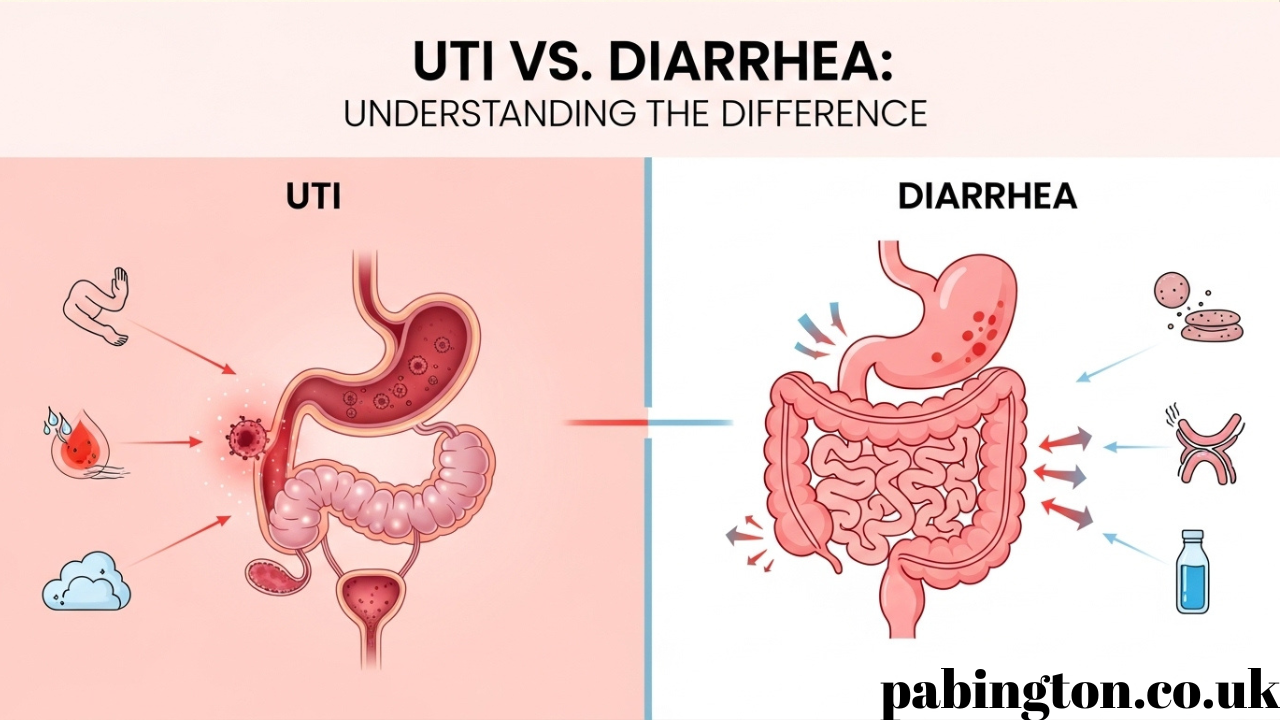
UTIs and diarrhea—two common health issues that can leave you feeling uncomfortable and frustrated. While they may seem unrelated at first glance, understanding these conditions is essential for maintaining your well-being. A urinary tract infection (UTI) primarily affects the bladder or urethra, leading to painful urination and frequent urges to go. On the other hand, diarrhea involves loose or watery stools, often signaling digestive distress.
Navigating these two conditions can be tricky. Are your symptoms suggesting a UTI or could it be something related to your gut? This blog post aims to clarify the differences between UTIs and diarrhea, from their causes and symptoms to effective treatments and prevention strategies. By gaining insights into both ailments, you’ll be better equipped to manage them should they arise in your life. Let’s dive deep into this comparison of UTI vs. diarrhea!
Causes of UTIs
Urinary tract infections (UTIs) occur when bacteria invade the urinary system. The most common culprit is Escherichia coli, which normally lives in the intestines.
Several factors can increase susceptibility to UTIs. For instance, women have a shorter urethra, making it easier for bacteria to reach the bladder. Sexual activity also introduces germs into the urinary tract.
Poor hygiene practices can contribute too. Wiping from back to front after using the toilet may spread bacteria from the rectum toward the urethra.
Certain medical conditions like diabetes or kidney stones create environments conducive to infection as well. Dehydration and infrequent urination reduce flushing out harmful bacteria.
Using certain contraceptives, such as diaphragms or spermicide-laden products, raises UTI risk by altering vaginal flora and increasing bacterial growth potential.
Causes of Diarrhea
Diarrhea can stem from various sources, often resulting in uncomfortable and urgent bathroom trips. One common cause is viral infections, particularly those that affect the gastrointestinal tract. Norovirus and rotavirus are notorious for causing outbreaks.
Bacterial infections also play a significant role. Contaminated food or water can introduce harmful bacteria like E.coli or Salmonella into your system, leading to inflammation and diarrhea.
Food intolerances are another factor. Lactose intolerance, for instance, can trigger digestive distress when dairy products are consumed.
Certain medications may disrupt your gut flora as well. Antibiotics are a prime example—they kill off bad bacteria but can also wipe out beneficial ones.
Stress and anxiety might contribute to digestive issues. Emotional turmoil often manifests physically, highlighting the intricate connection between mind and body in gastrointestinal health.
Symptoms of UTIs and Diarrhea
Urinary tract infections (UTIs) and diarrhea can both present a range of uncomfortable symptoms, making it crucial to recognize the differences.
For UTIs, individuals often experience a burning sensation during urination. Frequent urges to urinate may also occur, even when little urine is produced. Additionally, discomfort in the lower abdomen or back might signal an infection.
Diarrhea typically manifests as loose or watery stools happening three times a day or more. Accompanying symptoms can include abdominal cramping and bloating. Some may also face urgency to find restrooms quickly.
While both conditions can lead to dehydration, their sources differ significantly. Recognizing these distinct signs helps manage each condition effectively while seeking appropriate treatment options promptly.
Treatment for UTIs and Diarrhea
Treating a urinary tract infection (UTI) typically involves antibiotics. A healthcare provider will prescribe the right medication based on individual needs and the specific bacteria involved. It’s crucial to complete the entire course of antibiotics, even if symptoms improve early.
On the other hand, diarrhea treatment focuses on hydration and replenishing lost electrolytes. Over-the-counter medications like loperamide can help manage symptoms in mild cases. However, it’s essential to identify any underlying causes.
For both conditions, maintaining rest is vital for recovery. Drinking plenty of fluids helps flush out infections while easing dehydration from diarrhea. Probiotics may also support gut health during bouts of diarrhea and restore balance after antibiotic use for UTIs.
Always consult with a medical professional before starting any treatment plan to ensure safety and effectiveness tailored to your situation.
Prevention Tips for UTIs and Diarrhea
Preventing UTIs and diarrhea can be straightforward with a few lifestyle changes.
For urinary tract infections, staying hydrated is key. Drink plenty of water throughout the day to help flush out bacteria.
Wiping from front to back after using the bathroom can also minimize risk. This simple habit reduces the chance of transferring harmful bacteria.
When it comes to diarrhea, food choices matter significantly. Incorporate more fiber-rich foods into your diet, such as fruits and vegetables, which support gut health.
Practicing good hygiene by washing hands frequently is crucial too. Always wash before eating or preparing food.
Be cautious with unfamiliar foods when traveling; they may upset your stomach or lead to infection. Consider dietary adjustments gradually if trying something new.
Regular exercise boosts overall immunity and helps keep digestive systems functioning smoothly, offering additional protection against both conditions.
When to See a Doctor?
If you experience persistent symptoms of UTI or diarrhea, it’s important to seek medical attention.
For UTIs, if you notice blood in your urine or have severe pain while urinating, don’t wait. These could indicate a more serious infection.
Likewise, with diarrhea, if it’s accompanied by high fever or lasts longer than two days, consult a healthcare professional. Dehydration is a risk that can arise quickly.
Those with weakened immune systems or existing health conditions should be especially vigilant. Even mild symptoms can escalate rapidly for these individuals.
Pregnant women experiencing either condition should also reach out to their doctor right away. The stakes are higher during pregnancy for both mother and baby.
Listening to your body is key—if something feels off, trust your instincts and get checked out.
Conclusion
Understanding the differences between UTIs and diarrhea is crucial for proper health management. Both conditions can cause discomfort and disrupt daily life, but their causes, symptoms, and treatments vary significantly. Knowing the specific signs of each can help you identify what you’re dealing with more quickly.
If you experience symptoms associated with either condition, it’s important to seek appropriate care. Simple lifestyle adjustments can play a vital role in prevention. Staying hydrated, practicing good hygiene, and being mindful of dietary choices are effective strategies against both UTIs and diarrhea.
Monitoring your body’s signals is key to maintaining your health. Should any symptoms persist or worsen, consulting a healthcare professional will provide clarity on diagnosis and treatment options tailored for your needs. Always prioritize listening to your body; it knows best when something isn’t quite right!