Rice is one of the most widely consumed staple foods in the world, yet achieving perfectly cooked rice is often considered an art. Dampfreis, a concept rooted in the technique of steaming rice, represents this art in its purest form. It transforms simple grains into a fluffy, aromatic, and perfectly textured dish that elevates any meal.
Dampfreis is more than just a cooking method; it is a culinary approach that values precision, patience, and balance. It highlights how something as humble as rice can become exceptional when prepared with care and technique.
Understanding Dampfreis
The term Dampfreis refers to rice that is cooked using steam rather than direct boiling or absorption alone. In this method, rice is gently cooked through moist heat, allowing each grain to absorb just the right amount of water while maintaining its structure.
Unlike traditional boiling methods that can lead to sticky or unevenly cooked rice, steaming ensures consistency. Each grain remains separate, soft, and fluffy. This technique is especially valued in cuisines where texture and presentation are as important as flavor.
Dampfreis emphasizes control over temperature, moisture, and timing. These elements work together to create rice that is neither overcooked nor undercooked, but perfectly balanced.
The Science Behind Steamed Rice
The success of Dampfreis lies in its scientific approach to heat and moisture. When rice is exposed to steam, the heat penetrates evenly, allowing the starches inside the grains to gelatinize gradually. This process ensures a soft interior while maintaining structural integrity.
Unlike boiling, where rice is submerged in water, steaming reduces the risk of excess moisture. This prevents clumping and mushiness. The result is rice that is light, airy, and naturally separated.
Temperature control is crucial in this process. Too much heat can break the grains, while too little can leave them undercooked. Dampfreis relies on steady, gentle steam to achieve the ideal texture.
Preparing Rice for Dampfreis
Proper preparation is essential for achieving perfect Dampfreis. The process begins with selecting high-quality rice, as the type of grain significantly affects the final result. Long-grain varieties are often preferred for their ability to remain separate after cooking.
Washing the rice is another important step. Rinsing removes excess surface starch, which can cause stickiness. This step ensures that the grains remain distinct and fluffy after steaming.
Soaking the rice before cooking is also common in Dampfreis preparation. Soaking allows the grains to absorb a small amount of water in advance, reducing cooking time and improving texture consistency.
The Steaming Process
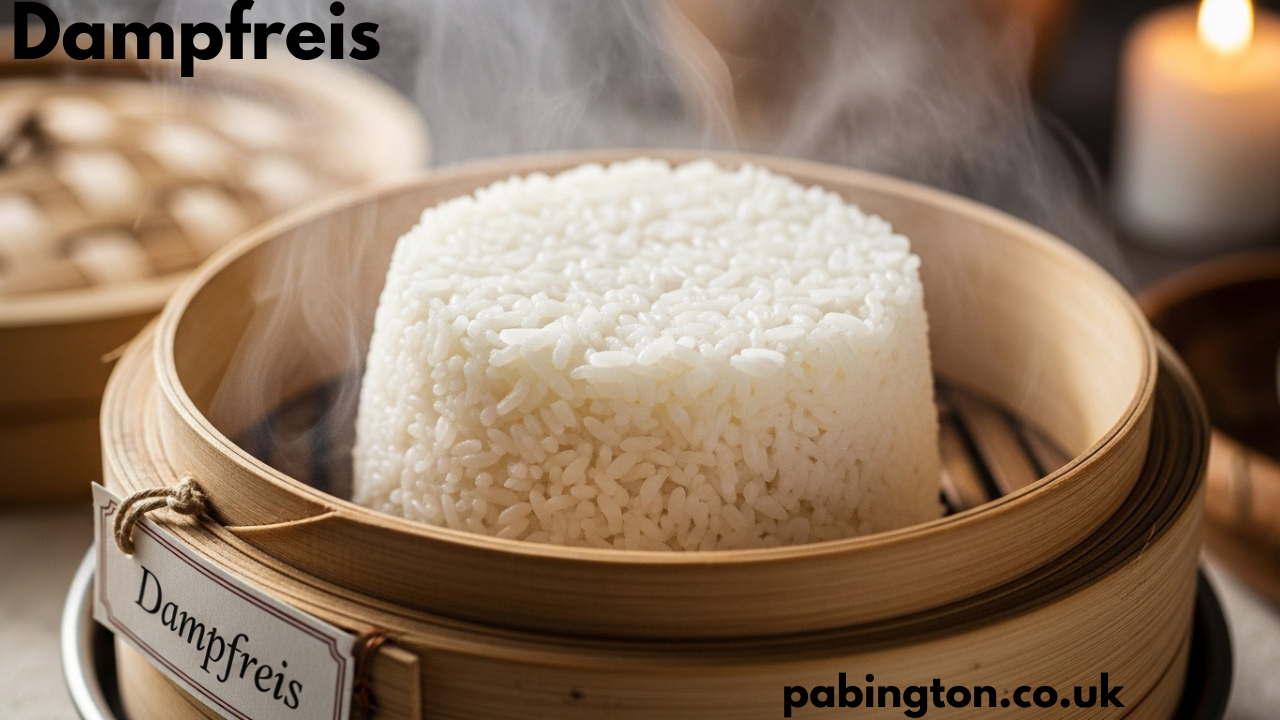
The heart of Dampfreis lies in the steaming process itself. Once the rice is prepared, it is placed in a steamer or a specially designed cooking vessel. Steam is then applied evenly, cooking the rice gradually from all sides.
This indirect heat method ensures that the rice does not come into direct contact with boiling water. Instead, it absorbs moisture through vapor, resulting in a more controlled cooking environment.
During steaming, it is important to avoid opening the lid frequently, as this releases steam and disrupts the cooking process. Patience is key, as the rice needs uninterrupted heat to achieve perfection.
Texture and Flavor Excellence
One of the defining qualities of Dampfreis is its texture. Properly steamed rice is soft yet firm, fluffy yet structured. Each grain remains separate, creating a visually appealing and pleasant eating experience.
Flavor is also enhanced through steaming. Because the rice is not overexposed to water, it retains more of its natural taste. This makes it an excellent base for a wide variety of dishes, from savory curries to delicate stir-fries.
Dampfreis also absorbs accompanying flavors more effectively. Its neutral yet refined profile allows it to complement both strong and subtle ingredients.
Cultural Significance of Steamed Rice
Across many cultures, steamed rice holds deep significance. It is more than just food; it is a symbol of nourishment, tradition, and hospitality. Dampfreis, as a refined method of steaming, reflects this cultural importance.
In Asian cuisines, for example, steamed rice is a daily staple that accompanies almost every meal. In other regions, it is used in ceremonial dishes or festive preparations. The technique of steaming rice has been perfected over generations, making it an integral part of culinary heritage.
Dampfreis represents this global appreciation for rice while emphasizing quality and craftsmanship.
Health Benefits of Dampfreis
Beyond taste and texture, Dampfreis also offers health benefits. Steaming rice preserves more nutrients compared to overboiling, where vitamins and minerals can be lost in excess water.
It is also a low-fat cooking method, making it suitable for balanced diets. The light texture of steamed rice aids digestion and provides sustained energy without heaviness.
Additionally, because Dampfreis avoids added oils or fats during cooking, it remains a clean and wholesome food option.
Common Mistakes to Avoid
While Dampfreis is a simple concept, certain mistakes can affect the outcome. One common error is using too much water during preparation, which can lead to soggy rice. Another is improper steaming time, which can result in uneven texture.
Using low-quality rice can also compromise results. Inferior grains may break easily or fail to achieve the desired fluffiness.
Lastly, lifting the lid too often during cooking interrupts the steaming process and reduces efficiency. Maintaining consistent heat and patience is essential for success.
Mastering the Art of Dampfreis
Mastering Dampfreis requires practice and attention to detail. It is not just about following steps but understanding the behavior of rice under heat and moisture. Over time, small adjustments in water ratio, steaming time, and grain type can lead to perfect results.
Experienced cooks often develop their own techniques, refining the process based on preference and environment. This adaptability is what makes Dampfreis both an art and a science.
Conclusion
Dampfreis is a celebration of simplicity done right. It transforms everyday rice into a refined culinary experience through the careful application of steam. By focusing on precision, patience, and quality, this method elevates a basic staple into something extraordinary.
From its scientific foundation to its cultural significance, Dampfreis represents more than just a cooking technique—it reflects a philosophy of care and balance in food preparation. Whether served with elaborate dishes or simple meals, perfectly steamed rice remains a timeless expression of culinary excellence.